
Table of Contents
- Why Bradenton Homeowners Need the Right Painting Contractor
- What Sets Local Residential Painting Contractors Apart
- How to Prepare Home for Professional Painters
- Understanding Your Interior House Painting Cost Estimate
- A Realistic Residential Painting Project Timeline
- Questions to Ask Before Hiring Bradenton Residential Painting Contractors
- Get Your Free Estimate and Project Plan
- Frequently Asked Questions
Last Updated: September 8, 2026
Finding reliable bradenton residential painting contractors near me often feels like a gamble, especially when Florida’s humidity and salt air can ruin a poor paint job within months. The difference between a five-year finish and a five-month failure usually comes down to preparation and product selection, not luck. This guide from Patriot Painting Services, a family-owned business serving the region since 1993, breaks down how to vet contractors, what a realistic estimate includes, and how to protect your investment long after the crew packs up.
A residential painting contractor prepares surfaces and applies protective coatings to homes, ensuring both aesthetic appeal and durability against local weather. The stakes are higher in coastal Florida because intense UV exposure, high humidity, and salt-laden air test even the best materials. Many homeowners discover that the cheapest quote becomes the most expensive option when peeling begins within a year.
Why Bradenton Homeowners Need the Right Painting Contractor
The most common reason exterior paint fails in this region is moisture trapped behind the coating, not the paint itself (peer-reviewed research). When contractors skip proper surface preparation to save time, they guarantee premature blistering and peeling. A professional understands that Florida’s climate demands specific primers and breathable topcoats that allow trapped vapor to escape.
Hiring the right team also protects your property value. A fresh, well-maintained exterior signals care to potential buyers, while failing paint invites rot and insect damage. For property managers overseeing multiple units, consistent quality prevents repainting every eighteen months due to rushed prep work.
What Sets Local Residential Painting Contractors Apart
Local expertise matters more than national brand recognition for Florida homes. A contractor who paints in Bradenton year-round knows which coatings withstand hurricane-driven rain and which products chalk and fade under the summer sun. This knowledge translates directly into material recommendations.
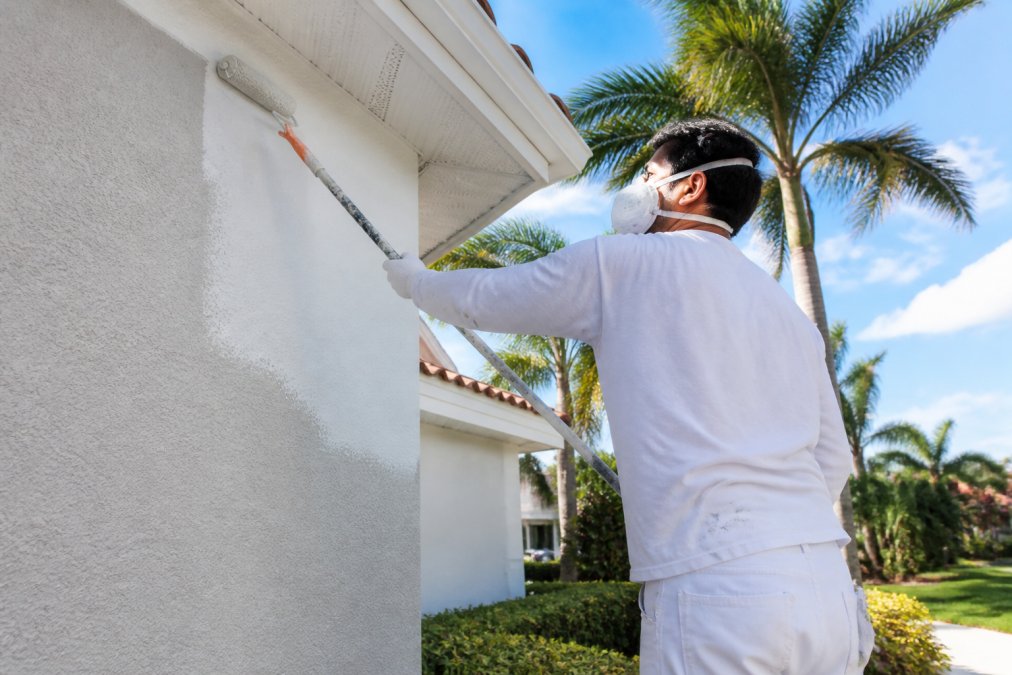
The best local residential painting contractors also bring an owner-involved approach that larger franchises often lack. When the owner is on-site, decisions get made quickly and quality control is personal. This contrasts sharply with crews managed by distant supervisors who only see the finished product in photos.
Climate-Specific Paint Selection for Florida Weather
Choosing the right paint is about selecting a resin system engineered for your environment, not just picking a color. In Florida, elastomeric and acrylic coatings are popular because they flex with the substrate and resist moisture intrusion. Flat finishes hide imperfections but hold dirt and mold, while satin and semi-gloss sheens offer better washability for exteriors.
A common mistake is assuming one premium product works everywhere. The paint that performs well in Arizona’s dry heat fails differently in Florida’s salt spray zone. A knowledgeable contractor will specify a mildew-resistant additive and a primer designed for your siding material, whether stucco, wood, or vinyl.
Surface Preparation: The Non-Negotiable First Step
The single biggest predictor of paint longevity is the quality of surface preparation. This includes pressure washing to remove chalk and contaminants, scraping loose paint, sanding rough edges, and caulking gaps around windows and doors. Contractors who rush this phase set you up for failure, as new paint will not adhere to a dirty or unstable base.
For homes with stucco, repairs may be necessary before painting to prevent cracks from telegraphing through the new finish. Drywall repair inside the home follows the same logic: patching and sanding must precede priming for a seamless look. A detailed quote should itemize these prep tasks.
How to Prepare Home for Professional Painters
Preparing your home for professional painters is a collaborative effort that protects your belongings and speeds up the process. In coastal Florida, the prep list extends beyond moving furniture. The goal is to give the crew a clean, safe, and accessible workspace so they can focus on surface preparation rather than navigating obstacles.
Interior Preparation: Beyond Moving Furniture
Start by clearing furniture away from walls and removing wall hangings, curtains, and fragile items. Interior crews appreciate a clear path to the work area, and exterior crews need access to driveways and gates without obstacles. For a whole-home interior project, consider renting a small storage pod for larger pieces rather than pushing everything into the center of a room.
Communicate any known issues with your walls, such as water stains or hairline cracks, before the crew arrives. This saves diagnostic time and ensures the contractor brings the right patching materials. In older Florida homes, a common issue is bubbling paint caused by latent moisture in the drywall, flagging this early lets the crew address the source rather than painting over the symptom.
Make arrangements for pets to stay in a quiet room or off-site, as the noise and unfamiliar activity can be stressful. Discuss your color choices and any concerns about trim or accent walls during the walkthrough, not while the primer is drying.
Exterior Preparation: Managing the Florida Landscape
Exterior projects require different prep. Trim back any foliage touching the house, paint cannot adhere to siding that is constantly rubbing against palm fronds or bougainvillea. Move potted plants, patio furniture, and grills at least 10 feet from the work area. Cover your air conditioning condenser unit with a plastic tarp to protect it from overspray and pressure-washing debris.
A critical step many homeowners overlook is turning off the irrigation system. If the crew is pressure washing or painting and the sprinklers kick on mid-morning, it can ruin the fresh paint and delay the schedule. Confirm your irrigation timer is set to ‘off’ for the duration of the exterior work.
The Day Before: A Final Walkthrough
The day before the crew arrives, do a final walkthrough of the property. Walk the perimeter and note any areas of concern: peeling paint, wood rot, or cracked stucco. Point these out to the project manager in the morning. This ensures the crew brings the right materials and sets realistic expectations about the prep phase.
For exterior projects, ask your contractor if they recommend a mild bleach solution wash for mold and mildew before pressure washing. In Florida’s humidity, this pre-treatment is often the difference between a clean surface and one that still harbors spores that will bloom through the new paint.
Understanding Your Interior House Painting Cost Estimate
An interior house painting cost estimate is built on three primary factors: surface area, condition, and finish quality. Contractors calculate square footage of walls and ceilings, then adjust for the number of coats needed to cover existing colors. The condition of your drywall dictates prep time, which often represents a significant portion of labor cost.
A professional estimate should be a transparent document, not a verbal number scribbled on a business card. It should specify the brand and grade of paint, the number of coats, and the scope of prep work like caulking or spackling. Pricing for your project depends on room dimensions, ceiling height, and the condition of your surfaces. For current rates and a detailed breakdown tailored to your home, check the Patriot Painting Services pricing page to understand how these factors apply to your space.
The Step-by-Step Cost Breakdown
Here is how a professional contractor typically builds a price for an interior room:
-
Square Footage Calculation: The estimator measures the total wall area (length × height) and subtracts for large openings like sliding glass doors. A 12×12 room with 8-foot ceilings has roughly 320 square feet of wall space. This is the baseline for labor and material calculations.
-
Prep Work Assessment: This is where estimates diverge most. If your walls have nail pops, cracks, or previous patch jobs that are failing, the estimator will add time for sanding, spackling, and re-priming. In Florida homes, a common finding is ‘hot spots’, areas where moisture from the slab has wicked up into the drywall, causing the paint to fail. Addressing these requires a shellac-based primer to seal the stain before repainting.
-
Paint Grade and Sheen Selection: The cost difference between contractor-grade and premium paint is significant. A premium 100% acrylic paint with a mildew-resistant additive costs more per gallon but provides better coverage and longevity in Florida’s humid climate (the EPA). The sheen also matters: flat finishes hide imperfections but are harder to clean, while satin and eggshell offer better washability for high-traffic areas like hallways and kitchens.
-
Number of Coats: A quality job requires a primer coat plus two finish coats, especially when changing colors dramatically. Some contractors quote a ‘one-coat coverage’ price to win the bid, but this often fails with deep or vibrant colors.
-
Trim and Ceiling Complexity: Crown molding, wainscoting, and detailed baseboards require more time for cutting in and taping. If you have a tray ceiling or a two-tone paint scheme, expect an adjustment for the additional labor.
Why the Lowest Bid Is Often a Red Flag
A bid that comes in 30% lower than the competition is not a bargain; it signals that the contractor is cutting corners on prep, using lower-grade paint, or planning to skip the primer coat. In Florida’s climate, skipping primer on bare drywall or patched areas guarantees that the new paint will flash or peel within months.
Be wary of estimates that do not include a line item for surface preparation. If a contractor tells you ‘no prep needed,’ they are either planning to paint over a dirty or failing surface, or they will hit you with change orders once the job starts.
When you receive your estimate, ask the contractor to walk you through each line item.
A Realistic Residential Painting Project Timeline
A residential painting project timeline varies by scope, but a standard single-story exterior typically takes three to five days, while an interior room refresh might be completed in one to two days. Weather plays a significant role outdoors; paint requires specific temperature and humidity windows to cure properly. Rain delays are common in Florida.
For whole-home interior projects, expect the timeline to stretch to a week or more, depending on the number of rooms and the complexity of trim work. Rushing a paint job to meet an arbitrary deadline compromises the finish.
Questions to Ask Before Hiring Bradenton Residential Painting Contractors
Before you sign a contract, interview your potential bradenton residential painting contractors with the same rigor you would apply to a financial advisor. Ask how they handle weather delays, what happens if you spot a defect after completion, and whether they use sprayers or brushes for trim.
A critical question involves their track record with homes similar to yours, whether that is a historic property or a modern stucco build. Inquire about their experience coordinating with other trades, as you may have drywall or electrical work happening simultaneously.
Licensing, Insurance, and References
Verifying credentials is the most direct way to protect yourself from liability. A reputable contractor holds a valid Florida license and carries both general liability and workers’ compensation insurance (myfloridalicense.com). Ask for proof of coverage and confirm the policy is active before work begins.
References are your window into the contractor’s reliability and quality. Request contact information for recent projects and follow up, asking about adherence to schedule and cleanliness standards.
Cleanup and Final Walkthrough Process
A professional finish includes a professional departure. Clarify whether cleanup is included in the bid and what it covers, such as removing paint chips, protecting landscaping, and leaving the site free of debris. Ask about their process for handling splatters on windows or fixtures.
Schedule a final walkthrough with the project manager or owner before making the final payment. Walk the property together, checking for missed spots, drips, and crisp lines.
Get Your Free Estimate and Project Plan
Choosing the right contractor comes down to trust, transparency, and technical expertise. You need a team that communicates clearly, prepares surfaces diligently, and uses products suited to Florida’s demanding climate. Patriot Painting Services combines these qualities with an owner-involved management process and a commitment to thorough cleanup.
The cheapest bid is rarely the most cost-effective choice. Prioritize surface preparation, climate-appropriate materials, and verifiable credentials.
Whether you are refreshing a single room or managing a multi-unit property, a detailed plan prevents surprises. Coordinating with other ongoing work and scheduling around your life requires a partner who values communication as much as craftsmanship. Request your free estimate and project plan today.
Frequently Asked Questions
What should I look for when hiring a residential painting contractor?
Start by confirming the contractor is licensed and insured in Florida. Ask for local references and check recent reviews. A reputable contractor will provide a detailed written estimate that includes surface preparation, the number of coats, and the specific paint brands they plan to use. They should also be able to explain how they handle Florida’s humidity and salt air, since that affects paint selection and durability.
How much does it cost to paint a 1,000 square foot house?
An interior house painting cost estimate depends on several factors, including ceiling height, the condition of your walls, and the amount of trim and cabinetry. Your estimate will also reflect the quality of paint chosen and the extent of surface preparation required. The most accurate way to get a number for your specific home is to request a free, on-site estimate from a local contractor.
What is the best month to paint a house in Florida?
The best time for exterior painting in Florida is during the drier, milder months, typically from late fall through early spring. This period avoids the peak of the summer heat and afternoon thunderstorms. However, a professional contractor will monitor humidity and temperature levels to ensure the paint cures properly, which helps the project stay on schedule regardless of the season.
How do I prepare my home for professional painters?
Clear furniture from the walls or move it to the center of the room and cover it. Remove wall hangings, curtains, and fragile items. Make sure the painters have access to water and electricity. If you have pets, plan to keep them in a quiet room or away from the work area. This prep allows the crew to focus on surface preparation and the finish from day one.
Sources referenced in this article include guidance from the Environmental Protection Agency on lead-safe practices and Florida Department of Business and Professional Regulation for contractor licensing. For cost planning, review the Paint Quality Institute’s guide to coating selection.